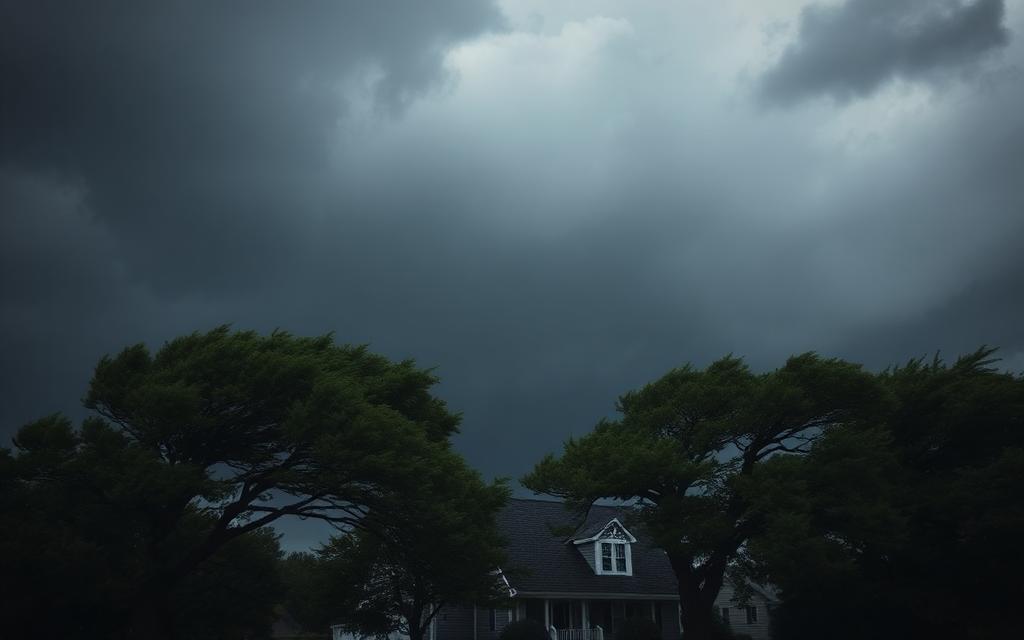
Trees are one of the most valuable features of any property. They cool your home in summer, raise resale value, and add the kind of established character that takes decades to grow back. But trees don't last forever, and a tree that has crossed the line from asset to liability can do tens of thousands of dollars of damage in a single windstorm.
After more than a decade of inspections across Delaware and Maryland, we've found that almost every tree-related insurance claim could have been prevented if the homeowner had recognized the warning signs six to twelve months earlier. Here are the five red flags our Licensed Tree Experts look for first.
1. Large dead branches in the upper canopy. Arborists call these 'widow makers' for a reason — they can drop without warning on a calm day. If more than about 25% of the canopy is dead, the tree itself is usually past saving.
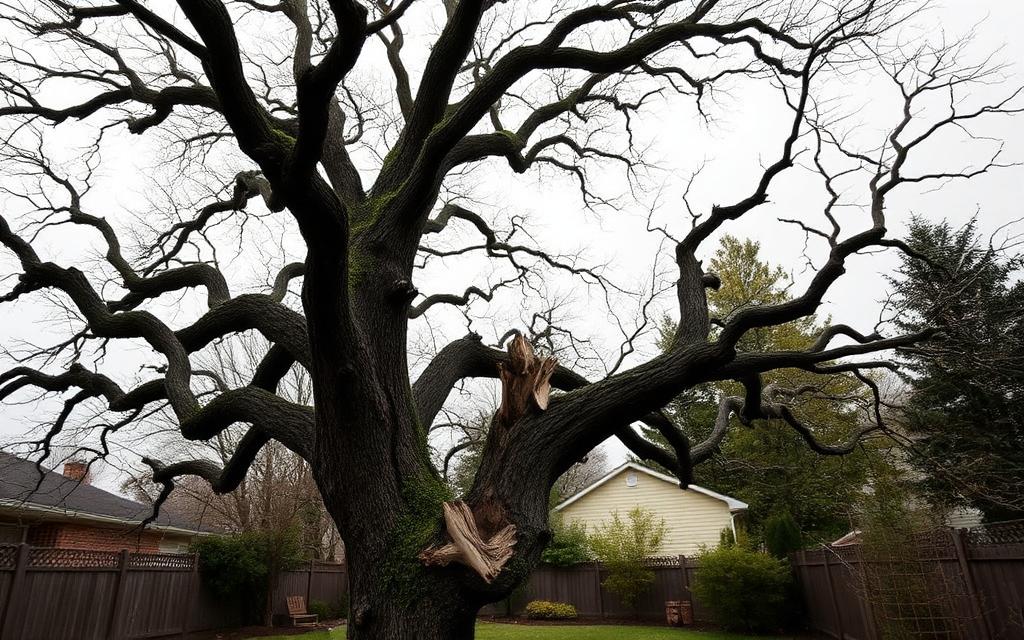
2. Deep vertical cracks or splits in the main trunk. A crack that runs more than a few feet, especially one you can fit a finger into, means the trunk is structurally compromised. The next heavy snow load or wind gust can finish the job.
3. Fungal growth at the base or on the trunk. Shelf fungus, conks, and mushrooms growing on a living tree are almost always a sign that the wood inside is already rotting. By the time fungus is visible on the outside, internal decay is usually well advanced.
4. A new or worsening lean. Trees that have always leaned a little are usually fine — they grew that way. But a lean that appeared after a storm, or one that's visibly getting worse year over year, often means the root plate is failing.
5. Hollow sounds when you tap the trunk. A solid, healthy trunk gives a dull thud. A hollow, drum-like sound means significant internal cavity, which dramatically reduces the tree's load-bearing capacity.
If you see any one of these signs on a mature tree near your house, driveway, or power lines, get it inspected. A free onsite estimate takes us about twenty minutes and could save you a five-figure insurance claim. Call (443) 206-3980 to schedule.