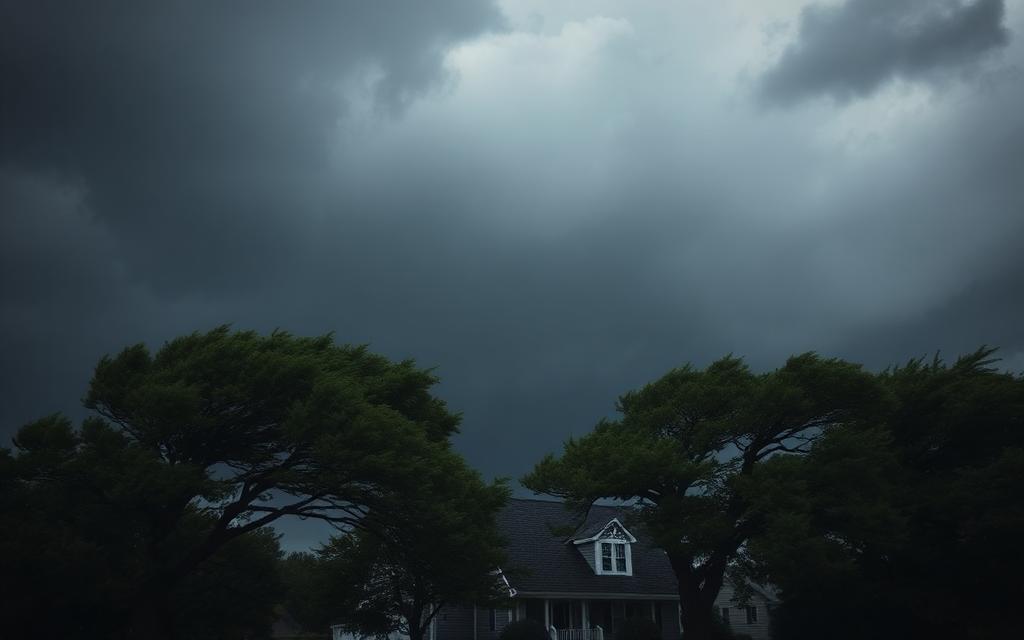
Coastal Delaware and the Maryland Eastern Shore see some of the worst wind events in the mid-Atlantic. Between summer thunderstorms, fall nor'easters, and the occasional hurricane remnant, the trees on your property are tested hard several times a year. A few hours of preparation now is the cheapest insurance you'll ever buy.
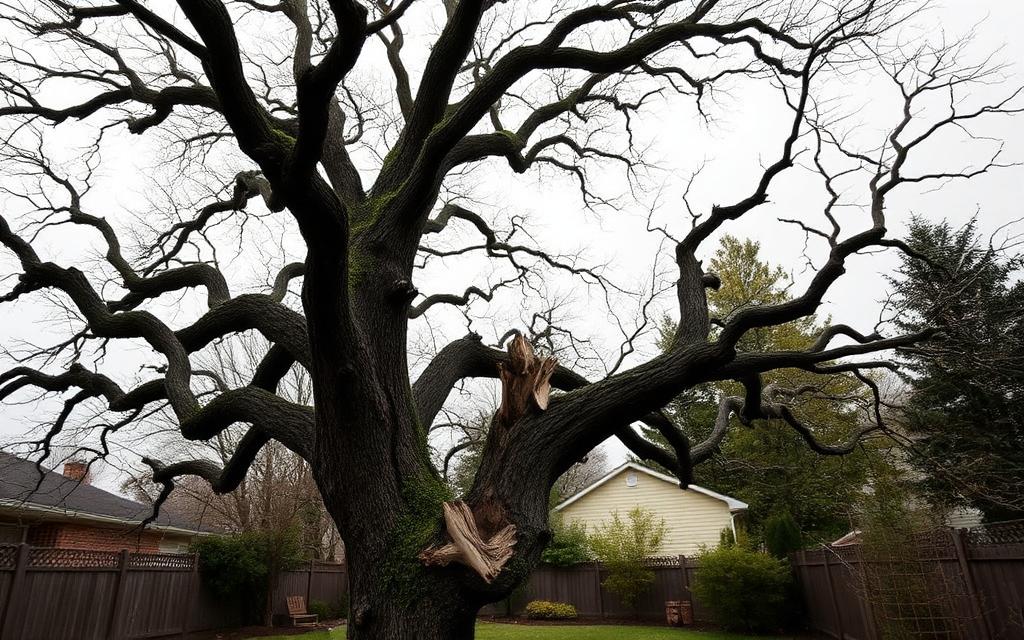
Start with a walk-around. Look at every mature tree within striking distance of your house, driveway, garage, shed, or play area. You're looking for dead limbs, cracks, leans, and any branches that are already rubbing your roof or siding.
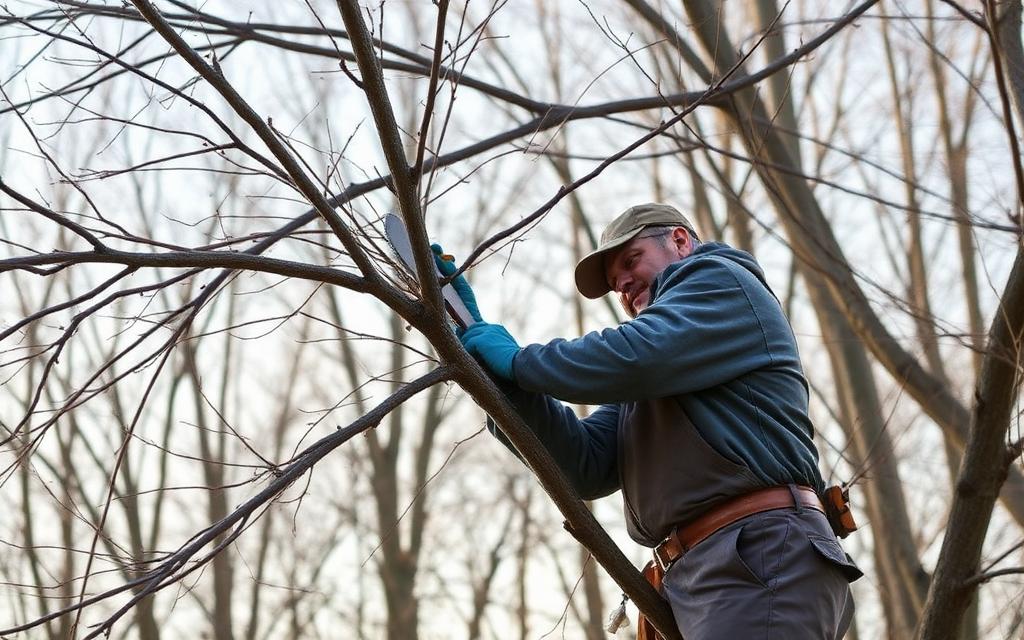
Prioritize crown thinning on tall trees. Reducing the density of the canopy by 15-25% dramatically lowers the 'sail area' the wind can push against, which is the single biggest factor in whether a healthy tree blows down. This work has to be done by a trained arborist — over-thinning can stress or kill the tree.
Remove deadwood proactively. Dead branches are the first things to break in a storm, and they cause an enormous share of property damage and injuries. We can usually clear deadwood from a typical residential lot in half a day.
Cable and brace weak unions. Trees with V-shaped trunk forks are prone to splitting in high winds. A properly installed steel cable or rod system can extend the life of an otherwise doomed tree by decades.
Clear gutters and the drip line. Storm winds usually come with heavy rain. Saturated soil around a tree's root plate makes blowdowns far more likely. Make sure water drains away from large trees, not toward them.
Have a plan for the worst case. Save our emergency line in your phone before you need it: (443) 206-3980. We run 24/7 storm response across all of our DE and MD service areas, and we'll keep you near the top of the list if we've already inspected your property.