Timing is everything when it comes to pruning. The same cut that strengthens a tree in February can invite disease and pests in June. Here's the schedule we recommend for homeowners across Delaware and Maryland.
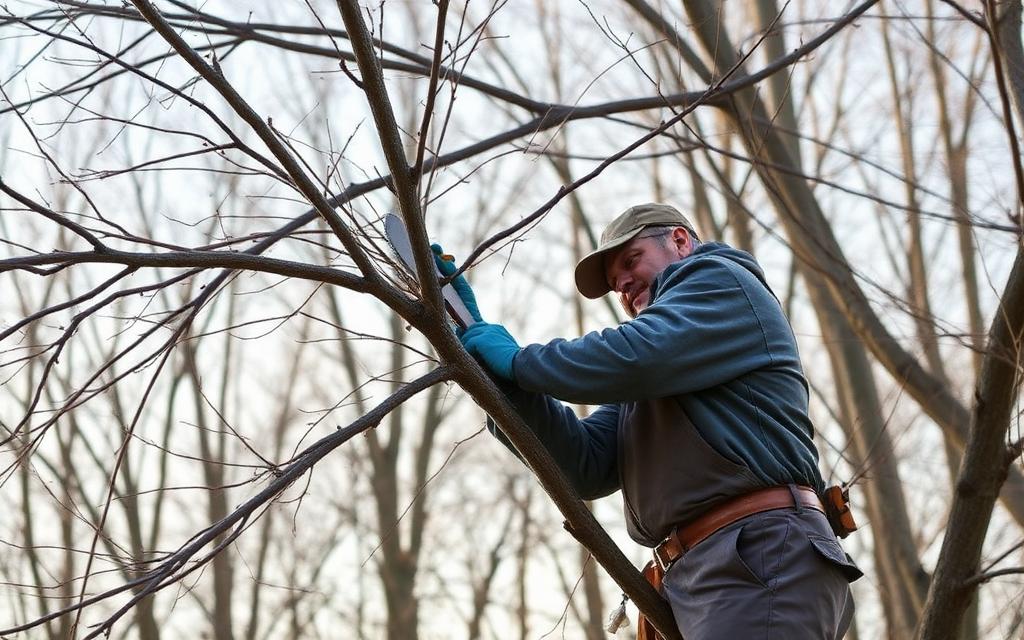
Late winter (February through early March) is the sweet spot for most major pruning work. The tree is fully dormant, structural defects are easy to see without leaves in the way, and the wounds will have time to seal before insect and fungal pressure spikes in late spring. This is the right window for heavy structural pruning, crown thinning, and any cuts larger than two inches in diameter.
Light maintenance pruning — removing small dead branches, clearing sucker growth, or shaping new growth — can be done almost any time of year without harming the tree.
Oaks deserve special attention. Heavy pruning on red and white oaks between April and July dramatically raises the risk of oak wilt, a fungal disease spread by sap-feeding beetles. We will not perform major oak pruning during those months unless it is a safety emergency.
Fruit trees follow a different schedule. Apples, pears, and cherries should be pruned in late winter while still fully dormant, with a light follow-up after harvest in late summer.
Flowering ornamentals like dogwood, magnolia, and cherry should be pruned right after they finish blooming. Pruning them in winter removes the buds that would have flowered that spring.
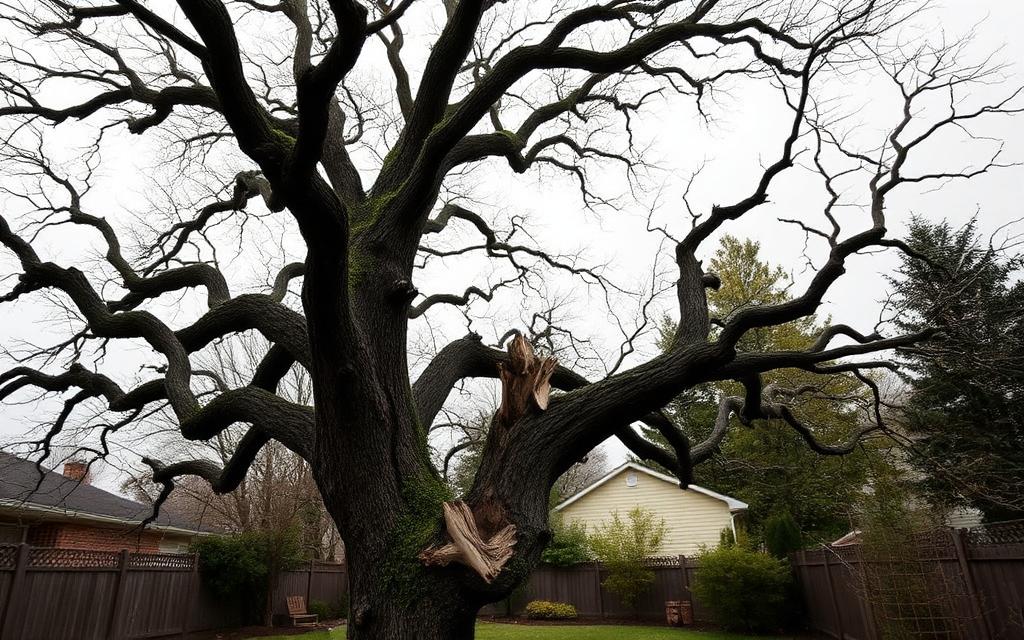
Storm damage and hazard pruning are exceptions to every rule. If a limb is hanging over your roof or split after a storm, it comes out now — regardless of season.
Not sure what your trees need? A free consult with one of our Licensed Tree Experts will give you a clear year-round plan so you're never guessing again.